Research Article
Open Access
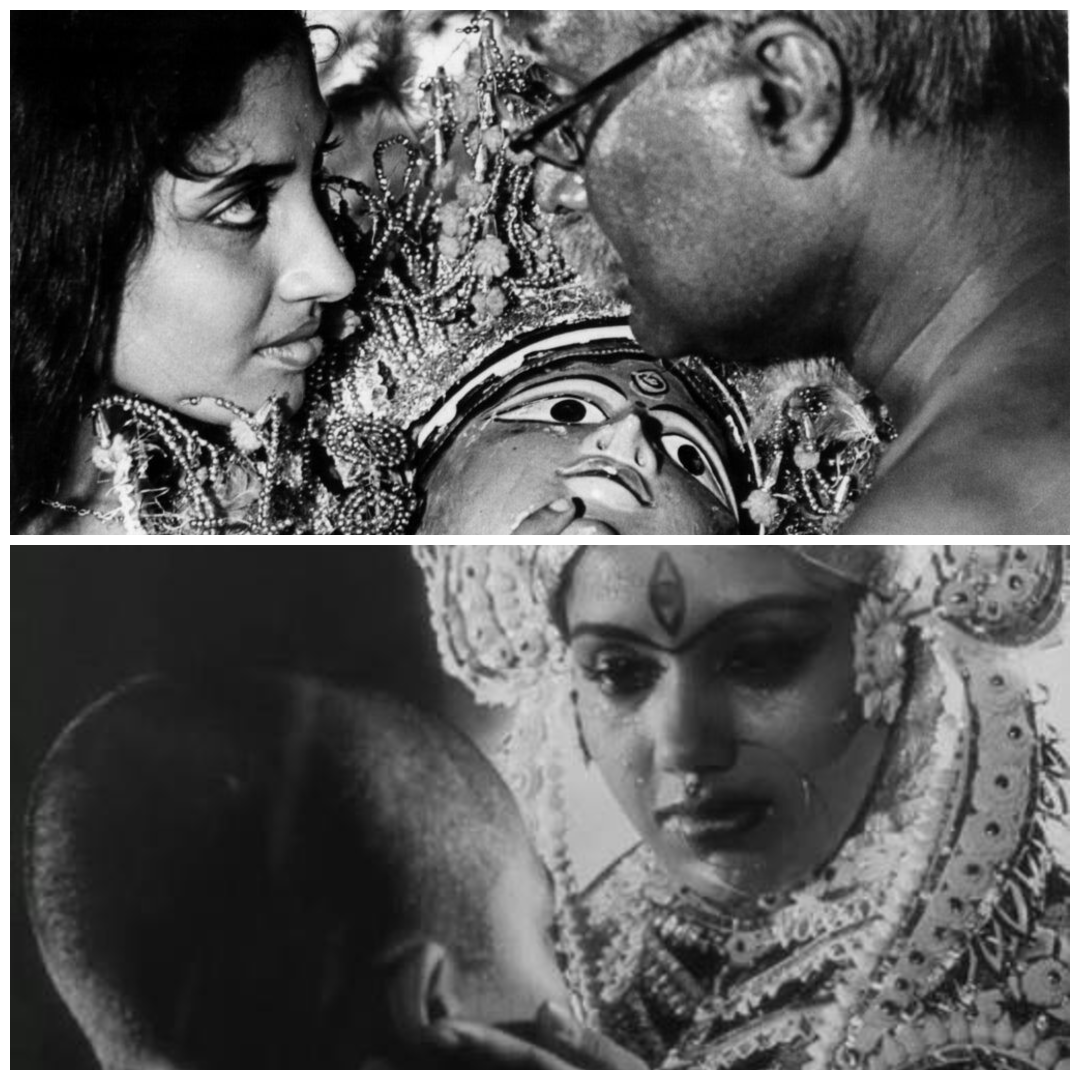
মানুষের ‘সামষ্টিক অবচেতনে’ হাজার বছরের মিথ-পুরাণের ঐতিহ্য লুকিয়ে থাকে। ঋত্বিক ঘটক সভ্যতার ইতিহাস আর নিজস্ব সংস্কৃতি-ঐতিহ্যের কর্ষনের মধ্য দিয়ে পৌঁছাতে চেয়েছেন সেই মিথ পুরাণের কাছে। দেশভাগজনিত যন্ত্রণাবোধকে সিনেমায় ধারণ করতে গিয়ে নারীর শক্তির আশ্রয় নিয়েছেন বারবার। পুরাণের উমা, গৌরী, সীতা তার সিনেমায় বিদ্রোহী বেশে উপস্থিত হয়েছে। মাতৃপ্রতিমার রূপকল্পে নিজের দেশমাতার কাছেই ফিরে যাবার আকুতি প্রকাশিত হয়েছে। গ্রেট মাদার ইমেজ কে তিনি দ্বিখণ্ডিত বাংলার মিলনের আশাবাদের প্রতীকে তুলে ধরেছেন। তাঁর সিনেমায় বিশেষত মেঘে ঢাকা তারা, কোমল গান্ধার, সুবর্ণরেখায় নীতা, অনসূয়া, সীতার মধ্য দিয়ে পুরাণের চরিত্রকে সমকালীন করে তুলেছেন। এছাড়া তিতাস একটি নদীর নাম এবং যুক্তি তক্কো আর গপ্পো তেও নারীকে এনেছেন শক্তির প্রতীকে। মাতৃপ্রতিমা আর পুরাণের মধ্য দিয়ে অতীতকে বর্তমানের সাথে মিলিয়েছেন আর যেখান থেকে আস্থা রেখেছেন ভবিষ্যতে।
মূল শব্দ:
মাতৃপ্রতিমা, লোক-পুরাণ, কালেক্টিভ আনকনশাসনেস, উমা-গৌরী, দেশভাগ, Female Trinity
Research Article
Open Access

এই প্রবন্ধটি বাংলাদেশের নারী চলচ্চিত্র নির্মাতাদের দৃষ্টিতে নারীর জীবন, অভিজ্ঞতা ও বাস্তবতার উপস্থাপনাকে অনুসন্ধান করে। চলচ্চিত্র শিল্পে বিদ্যমান পিতৃতান্ত্রিক ও পুঁজিবাদী কাঠামোর কারণে ঐতিহাসিকভাবে নারীদের প্রান্তিক করে রাখা হয়েছে কিংবা কেবল অলঙ্কার বা ভুক্তভোগী হিসেবে দেখানো হয়েছে। এর বিপরীতে, নারী নির্মাতারা তাদের চলচ্চিত্রে পাল্টা আখ্যান (counter-narrative) তৈরির চেষ্টা করেছেন। গুণগত আধেয় বিশ্লেষণ (Qualitative Content Analysis) ও আখ্যানবিদ্যা (Narratology) পদ্ধতির মাধ্যমে এই গবেষণায় শামীম আখতার, ফৌজিয়া খান এবং নার্গিস আকতারের মতো নির্মাতারা কীভাবে ক্ষমতার কাঠামোর ভেতরে থেকে নারীর বাস্তবসম্মত চিত্র তুলে ধরছেন, তা পর্যালোচনা করা হয়েছে। লরা মালভির নারীবাদী চলচ্চিত্র তত্ত্ব এবং বেটি ফ্রাইডেনের নারীবাদী চিন্তাধারাকে তাত্ত্বিক কাঠামো হিসেবে ব্যবহার করে নির্বাচিত কাহিনিচিত্র ও প্রামাণ্যচিত্রগুলো বিশ্লেষণ করা হয়েছে। গবেষণায় দেখা যায় যে, নারী নির্মাতারা নারীর 'অনাবিষ্কৃত জগত' উন্মোচনে উল্লেখযোগ্য ভূমিকা রাখলেও, তারা এখনো মূলধারার শিল্প-কাঠামোর প্রভাব ও সীমাবদ্ধতার মধ্যে কাজ করছেন। প্রবন্ধটি পরিশেষে এই বিষয়ের ওপর জোর দেয় যে, প্রথাগত ছাঁচ ভেঙে নারীর অস্তিত্বের গভীরতাকে ফুটিয়ে তোলার জন্য নারী নির্মাতাদের আরও স্বতন্ত্র নান্দনিক ও ভাষাশৈলী—বা ‘কাউন্টার সিনেমা’—বিকাশের প্রয়োজন রয়েছে।
মূলশব্দ: নারী চলচ্চিত্র নির্মাতা, বাংলাদেশ চলচ্চিত্র, নারীবাদী চলচ্চিত্র তত্ত্ব, আখ্যানবিদ্যা (ন্যারেটোলজি), উপস্থাপন, কাউন্টার সিনেমা।
Research Article
Open Access

This paper critically analyzes Shubhashish Sinha’s play ‘Bhanubil’ as a significant contribution to the theatrical history of peasant resistance in Bangladesh. Moving beyond the dominant Bengali-centric narratives, the study focuses on the overlooked 1935 Manipuri peasant rebellion in Bhanubil. Drawing on the theoretical framework of Subaltern Studies, as articulated by Antonio Gramsci, Ranajit Guha, and Gayatri Chakravorty Spivak, this research argues that ‘Bhanubil’ functions as a “counter-history.” It challenges conventional historical accounts by giving voice to the marginalized Manipuri community and their multi-layered struggles against historical-geographical displacement, economic-political exploitation, and cultural-linguistic suppression.
This paper employs a qualitative research methodology, utilizing critical theatrical analysis to examine Shubhashish Sinha's play ‘Bhanubil.’ The paper examines how the play’s use of language—contrasting the landlords’ hegemonic Bengali with the Manipuris’ native Bishnupriya Manipuri—symbolizes the power dynamics and cultural resistance. It further demonstrates that the rebellion was not merely an economic protest against oppressive taxation and forced labor but a profound struggle for a unique cultural identity and existence. The analysis highlights how the rebellion united both Hindu and Muslim Manipuri communities, as well as men and women, against a common oppressor, underscoring its broad, inclusive nature. Furthermore, the study explores how the play’s use of folk theatre techniques, music, and dance serves to preserve and present this oral history, making it a compelling and relevant document for contemporary discussions on marginalization and cultural preservation.
By analyzing the play's narrative and theatrical techniques, this study concludes that ‘Bhanubil’ is a powerful theoretical statement, proving that the subaltern can indeed speak through their own cultural and artistic mediums. The research asserts that this theatrical work ensures the rightful place of the Manipuri rebellion in historical discourse, moving it from the margins to the mainstream and providing a model for understanding similar struggles of oppressed communities worldwide.
Keywords: Subaltern Studies, Peasant Resistance, Colonial Exploitation, Manipuri Rebellion, Cultural Identity, Theatrical Narrative, Counter-History, Bishnupriya Manipuri, Bengali Theatre, Post-colonialism
Research Article
Open Access

This research paper presents a comparative analysis of the artistic techniques and philosophical underpinnings in the short stories of the eminent 20th-century Indian litterateur Bonophul (Balai Chand Mukhopadhyay) and the 19th-century French naturalist Guy de Maupassant. The primary focus of this study centers on Bonophul’s Budhni and Maupassant’s Mademoiselle Fifi. Both authors, despite their distinct geographical and temporal contexts, share a profound sense of ‘Clinical Detachment’, a diagnostic gaze that dissects social and psychological malaises without moral bias.
Drawing upon the tenets of French Naturalism, as proposed by Émile Zola, and the psychoanalytical theories of Sigmund Freud, this paper explores the manifestations of ‘The Human Beast’ (Le Bête Humaine) within the protagonists. It argues that both stories depict the fragility of civilization and the dominance of primal instincts, specifically focusing on ‘Body-Politics’ and the male ‘Sense of Ownership’ over the female form. In Budhni, the protagonist’s possessive love transcends social morality, leading to a tragic collision between paternal ego and maternal instinct. Conversely, in Mademoiselle Fifi, the Prussian invasion serves as a backdrop for a perverse display of sexual and political dominance, where the female body becomes a symbolic battlefield of nationalistic pride.
Furthermore, the paper employs the lens of Subaltern Studies to contrast the ‘Silence’ of Budhni with the ‘Agency’ of Rachel, evaluating how marginalization dictates their responses to oppression. By examining the dialectics of Eros and Thanatos (Life and Death instincts), the research unveils how biological determinism governs human behavior across cultures. Ultimately, this study aims to establish that the depiction of primal dominance and the pathology of gender-based violence in these works transcend local boundaries, offering a universal case study of the human condition.
Keywords: Clinical Detachment, Body-Politics, Naturalism, The Human Beast, Sense of Ownership, Subaltern Silence, Psychoanalysis, Comparative Literature, Biological Determinism, Gender-based Violence.